Midlife Crisis: How to Reconnect with Your Spouse
A midlife crisis can derail a relationship. But it is also an opportunity for an improved relationship.

How you respond will make a big difference. In fact, I’ve found the number one factor for making good relationships is simply learning how to respond to everything which your spouse says.
There are more things to do, of course, in building a relationship, like making sure you are being a desirable person. But if you don’t know how to respond when your spouse talks, it doesn’t matter how desirable you make yourself, you’re still not going to do well with relationships. So today I’m going to teach you how to respond to a spouse who is going through a midlife crisis and perhaps is losing interest in your relationship.
Sarah’s Marriage Before the Crisis

Sarah, a middle-aged woman, has been married for about 25 years. She and her husband have two teenage children, and she describes their marriage as having been good overall. They enjoyed raising their family, spending time together, and maintaining meaningful couple time.
Over the years, their intimacy decreased, and they spent less one-on-one time together, but Sarah still felt secure in their relationship. Then, two years ago, her husband’s father passed away. His death was a devastating loss, and her husband struggled with grief, withdrawing from their relationship and everyday life.
Sarah remained supportive, taking on extra responsibilities while encouraging their children to be patient. As time passed, her husband slowly became more active—engaging in hobbies, working out, and socializing again. Sarah felt relieved, expecting their marriage to return to normal.
A Growing Distance in the Marriage

While her husband reconnected with friends and outside interests, he remained distant from Sarah and their children. Hoping to rebuild their bond, Sarah made extra efforts—showing more affection, planning couple activities, and organizing family outings. Yet, her husband seemed indifferent. Even when he participated, he was often disengaged, focused on his phone or his own thoughts.
When Sarah expressed her concerns, she expected him to want to reconnect too. Instead, she was shocked when he said he needed time and space to decide if he even wanted to stay in the marriage.
Facing an Uncertain Future
Feeling blindsided, Sarah pushed for counseling and open conversations, but her husband wasn’t interested. He insisted he needed time to figure things out on his own.
At this point, Sarah didn’t know what to do. This is when many people come to me—wanting to know how to keep their marriage from falling apart.
The Impact of Midlife Crisis on Relationships

Before I get into my recommendations for how to handle this situation, let’s take a moment to talk about midlife crisis.
A midlife crisis happens when people become acutely aware of their mortality. While we all know that life is finite, most people don’t dwell on it daily. But at some point—often when someone close to us dies or after a near-death experience—the reality of death hits on a much deeper level.
This realization tends to happen later in life when there are fewer years ahead than behind, though it can occur at any age. When faced with their mortality, people react in different ways.
Different Reactions to Mortality

For some, this realization changes very little. They acknowledge it, handle practical matters like estate planning, and move on. These individuals are generally satisfied with their lives—they enjoy their careers, relationships, and daily routines. Since they don’t feel like they’re missing out, they see no reason to make major changes.
Others experience a nagging dissatisfaction. They fear reaching the end of life with regrets—perhaps for never pursuing a dream, like traveling or switching careers. These individuals often take action to correct what’s missing. They might start saving for that long-awaited trip or leave a well-paying but unfulfilling job to do something they truly love.
When Midlife Crisis Leads to Drastic Change

Some people, however, feel deeply dissatisfied with multiple aspects of their lives. These individuals go through what we recognize as a full-blown midlife crisis. Instead of making one or two adjustments, they overhaul their entire lifestyle.
They may quit their job, leave their marriage, change their appearance, buy a motorcycle, get a tattoo, or adopt an entirely new social circle. Their initial motivation is fear—fear of wasting time, missing out, or living a life that isn’t truly their own.
Why Midlife Crisis Leads to Relationship Breakdown

At first, this transformation is fueled by the need to escape regret. But as they start making changes, the thrill of new experiences keeps them going. They find excitement in reinvention, and the more they enjoy their new life, the less interest they have in returning to their old one.
This creates a major challenge for their spouse. While the partner hopes to restore their relationship, the person in crisis is moving in the opposite direction. Attempts to convince them to go to counseling or work on the marriage often backfire. The harder the spouse tries to pull them back, the more resistance they face.
Worse, those encouraging the changes—new friends, colleagues, or love interests—seem far more appealing than a spouse asking them to return to the life they’re trying to escape. This is the dilemma of being married to someone in a midlife crisis.
Effective Strategies to Handle Midlife Crisis

If a midlife crisis is handled incorrectly, it can push a spouse further away—sometimes even into an affair. As you can see, trying to convince someone in a midlife crisis to stay or work on the marriage doesn’t help. In fact, convincing rarely works in any situation—whether a spouse is having an affair, considering divorce, or withdrawing emotionally. Pressuring them only creates more distance.
Typically, I help people repair their relationships by improving connection skills, becoming more attractive, and setting healthy boundaries. However, in this situation, those strategies need to be adjusted.
Why Standard Relationship Strategies Don’t Work

If you focus solely on becoming more attractive, it’s unlikely to compete with your spouse’s desire for something new and different. They believe they’ve been missing out, and no amount of personal improvement on your part will change that perception.
Similarly, trying to connect more can backfire. Your spouse is actively pulling away, so your efforts to engage might push them even further. And using boundaries—especially ultimatums like, “You need to be part of this family, or I’m going to divorce you”—often leads to responses like, “I understand, and that’s okay. I wasn’t sure I wanted to stay anyway.”
The Risks of the Supportive Approach

Some people take a fully supportive approach—encouraging their spouse to explore new experiences while waiting patiently for them to return. This approach assumes that after experimenting, the spouse will realize their new life isn’t as fulfilling as they thought and naturally come back to the marriage.
That can happen, but only if their midlife crisis experiences turn out to be disappointing. Many, however, find excitement in their new lifestyle and don’t want to return to their old one. Even if the crisis ends, they may hold on to the elements they enjoyed—whether it’s a new career, hobbies, social circles, or an affair partner.
Why Waiting It Out Can Be Risky

If your spouse enjoys his or her midlife changes, he or she is unlikely to regret leaving an old lifestyle behind. Even if an affair or new relationship ends, your spouse might seek out a new affair partner instead of returning to the marriage. This is why I don’t recommend the purely supportive approach.
While some spouses eventually come back with renewed appreciation—similar to the prodigal son story—there’s a significant risk that they won’t. Instead of relying on hope, the key is to minimize those risks and create the best chance of preserving your relationship once the midlife crisis ends.
So, what can you do to protect your marriage and position yourself in the best way possible during this time? That’s what I’ll cover next.
Empathy and Connection: The Key to Rebuilding

No matter the situation—whether a spouse wants a divorce, is having an affair, or is going through a midlife crisis—the first step is always empathy.
Empathy is not the same as sympathy. A purely supportive approach is sympathetic—it says, “I understand, so I’ll help you do what you want.” That may create appreciation, but appreciation isn’t the same as connection.
Connection happens when people feel similar to each other. People are naturally drawn to those who share the same values, beliefs, and interests, and that doesn’t change just because a spouse is in crisis. One way to take advantage of this is by embracing change yourself—experiencing your own midlife crisis rather than resisting theirs.
Embracing Change Instead of Resisting It

This doesn’t mean faking a midlife crisis. Instead, look at your own life—what have you been dissatisfied with? If you knew you only had a limited amount of time, what would you want to experience? If your marriage has been struggling, there are likely things you’ve missed out on as well.
Instead of trying to convince your spouse to stop making changes, you can say, “You know, I think you might have the right idea. I was scared of change at first, but I don’t want to have regrets either.”
This will likely pique your spouse’s curiosity. From there, you can share your thoughts: “Even though we were close at first, we’ve been disconnected for a while. I don’t think I’d be happy continuing this way. I want to explore new interests, maybe even find new friendships, whether we stay together or not.”
Why This Approach Creates Attraction
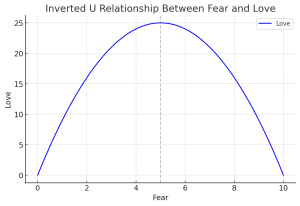
At first, you might hesitate to say something like this. It may feel like giving your spouse permission to leave. But in reality, it creates a sense of uncertainty that works in your favor.
People feel comfortable walking away from a marriage when they believe their spouse will always be there as a safety net. If you introduce the idea that you’re also open to change—even if it means the marriage ending—it creates just enough anxiety to draw them toward you and away from cheating.
That’s because the fear of losing someone intensifies feelings of love. This isn’t just true for you—it’s true for your spouse as well. If he or she believes you’re simply waiting around, their feelings for you won’t grow. If your spouse sees you as also embracing change, he or she will start to take more interest in you again.
How to Rebuild Connection Without Encouraging an Affair

This doesn’t mean mentioning dating other people—that can backfire. But it does mean being open to personal growth and change.
For example, if you’ve always wanted to travel, you could say, “I’m tired of just living my life in this town. I want to go on an exciting trip and stay somewhere nice.” Your spouse might respond with curiosity, leading to a fun conversation about where you both might like to go.
These kinds of conversations build connection. Instead of resisting change, you create a shared experience around it.
The Key Skills: Agreement, Empathy, and Boundaries

To rebuild your marriage during a midlife crisis, you need:
- Agreement and empathy – Instead of arguing, find common ground.
- Avoiding disagreement – Pushing back only creates resistance.
- Good boundaries – If your spouse suggests an open marriage or dating others, that’s a line you shouldn’t cross.
By embracing change, fostering connection, and maintaining your own self-respect, you create the best chance of bringing your spouse back—without pushing him or her further away.
Practical Tips and Coaching Recommendations

You might be able to handle this situation on your own, and if so, that’s great! But there are times when getting extra help—such as coaching—can make a big difference.
I recommend seeking guidance if your relationship is currently conflicted. When conflict dominates, even the right words and actions may not bring you and your spouse onto the same page. Before rebuilding, you need to resolve that conflict, and having an experienced coach can help you do that effectively.
Another situation where coaching can be valuable is if your spouse is already having an affair. Managing this requires striking the right balance—maintaining boundaries while also fostering connection through similarity. Many people either set boundaries that are too rigid, pushing their spouse further away, or they allow too much flexibility, making it easy for their spouse to continue the affair while staying in the marriage.
If the balance isn’t handled correctly, your spouse may feel no urgency to return to a committed, monogamous relationship.
Conclusion and Further Resources

A midlife crisis can derail a relationship, but it also presents an opportunity for growth and reconnection. How you respond to your spouse’s crisis makes a significant difference. In my experience, the most important factor in rebuilding a relationship is learning how to respond to everything your spouse says and does.
Personal growth and being a desirable partner matter, but if you don’t know how to respond effectively, even the best efforts can fall flat. The key is to engage with empathy, connection, and confidence, rather than reacting with fear, pressure, or desperation.
If you want to learn more about these skills and strategies for reconnecting with your spouse and restoring your marriage, visit coachjackito.com.
Get Personalized Help for Your Situation
If your relationship is conflicted, you may need guidance to end the conflict and start rebuilding on solid ground. In this case, I recommend my Re-Connections Coaching Package.
If your spouse is already having an affair, it’s crucial to know how to set the right boundaries without pushing them further away. For that, I offer my End Your Spouse’s Affair Coaching Package.
For further reading on Midlife Crisis, see Midlife as a Pivotal Period in the Life Course: Balancing Growth and Decline at the Crossroads of Youth and Old Age, by Margie E. Lachman.